How to Choose Hosting for Your Small Business – A Comprehensive Guide
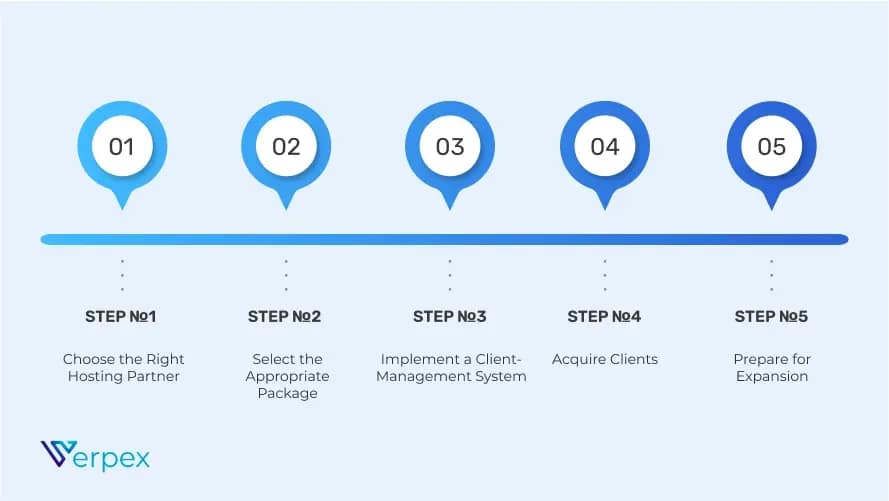
When running a small business in today’s digital landscape, having an online presence is crucial. A fundamental question that arises when establishing this presence is how to choose hosting for your small business? Selecting the right hosting provider can be the backbone of your business’s online performance. This guide aims to address this pivotal question from multiple angles to ensure that you make an informed decision.
Understanding Your Small Business Hosting Needs

Before diving into different hosting types and services, it’s essential to understand your unique requirements. Your business goals, the nature of your services, customer expectations, and technical needs will largely dictate the type of hosting that is suitable for you. The better you understand these needs, the more effectively you can choose the ideal hosting environment.
Determining Your Website Type and Purpose
Understanding your website’s purpose is a fundamental step in determining your hosting needs.
- E-commerce Websites: If you plan to run an online store, your hosting choice must support e-commerce functionality. This includes features like SSL certificates, payment processor integrations, and scalability to accommodate high-traffic periods such as sales or holiday seasons.
- Business Portfolio or Informational Sites: For showcasing your brand and services, you may require simple hosting with adequate bandwidth and storage. While high-speed access is crucial, security features may take precedence to protect sensitive customer information.
- Blogs and Content Sites: If your business revolves around content marketing and blogging, speed, data management, and SEO optimization should be priorities. Look for hosting plans that support content management systems like WordPress or Joomla.
Assessing Your Traffic Expectations
Anticipating your website’s traffic volumes can also significantly influence your hosting decision.
- Start-Up Phase: If you’re launching with minimal traffic, shared hosting or basic plans may suffice initially. However, keep in mind that shared hosting can lead to slower speeds as multiple websites share the same server resources.
- Growth Phase: As your business begins to gain traction, the website’s traffic should be monitored closely. If visitor growth is substantial, a robust hosting solution (such as VPS or dedicated servers) may be necessary to manage increased loads and maintain performance.
- Long-Term Vision: Consider where you want your small business to be in the future. In cases where aggressive growth is expected, choose a hosting provider with scalable options that allow you to upgrade plans.
Identifying Technical Requirements
Not all small businesses have the same technical needs.
- Content Management System (CMS): If you plan to use a specific CMS like WordPress, you’ll want hosting that is optimized for that platform. This includes compatibility and ease of installation.
- Custom Technologies: For businesses that require customized technology stacks or programming languages, ensure your hosting provider supports those technologies effectively.
- Database Needs: If your business relies heavily on databases, you need to check for hosting plans with sufficient database support, backup solutions, and REST API capabilities.
Types of Web Hosting: A Guide for Small Businesses

Once you’ve assessed your needs, it’s essential to familiarize yourself with the various types of web hosting available in the market. Each type has its pros and cons, and understanding these can help you make an educated choice.
Shared Hosting
Shared hosting entails sharing server resources with other websites.
Pros
- Cost-Effective: Due to shared resources, shared hosting is often the most affordable option, making it accessible for small businesses just starting.
- User-Friendly: Many providers feature one-click installations for various platforms, making settings simpler for beginners.
Cons
- Performance Limitations: High traffic on neighboring websites can negatively impact your site’s performance.
- Limited Control: As you’re sharing a server, server-level changes and configurations may not be possible.
Virtual Private Server (VPS) Hosting
VPS hosting divides a physical server into multiple virtual servers, granting clients more control.
Pros
- Dedicated Resources: Unlike shared hosting, VPS provides dedicated resources, improving performance.
- Customization: Users can tailor their server environment, optimizing it based on specific needs.
Cons
- Cost: VPS hosting is generally more expensive than shared hosting, which may be a consideration for budget-conscious businesses.
- Technical Knowledge Required: Managing a VPS usually requires a certain level of technical expertise, which could be a hurdle for some small business owners.
Dedicated Hosting
This type of hosting involves leasing an entire server exclusively for your site.
Pros
- Maximum Performance: Since you’re not sharing server resources, dedicated hosting offers optimal performance, speed, and security.
- Full Control: You have complete access to the server, allowing you to configure it per your specific needs.
Cons
- High Cost: This is often the most expensive option, making it less viable for small or new businesses.
- Management Complexity: Requires strong technical knowledge or the hiring of an IT team to manage the server.
Cloud Hosting
Cloud hosting utilizes multiple servers to host your site, spreading resources across the network.
Pros
- Scalability: Easily accommodates traffic spikes by allocating resources automatically as needed.
- Reliable: If one server goes down, your website remains operational since it can quickly switch to another server.
Cons
- Variable Costs: Pricing can fluctuate based on resource consumption, making it harder to predict monthly costs.
- Dependence on Internet Connection: Performance can heavily rely on internet connectivity.
Key Factors to Consider When Choosing a Hosting Provider

Now that you are familiar with the different types of hosting, it’s time to evaluate crucial factors that will help in selecting the right hosting provider for your small business.
Reliability and Uptime Guarantees
It’s vital that your website is available to potential customers at all times.
- Uptime Guarantees: Look for hosting providers that offer at least a 99.9% uptime guarantee. This ensures that your site is rarely if ever, down, which can have significant ramifications on customer trust and sales.
- Server Monitoring: Find out if the provider has round-the-clock server monitoring. Providers who actively monitor servers can often resolve issues before they affect website availability.
Customer Support Services
Excellent customer support can be a lifesaver in stressful situations.
- Availability: Check what kind of customer support is available—24/7 support via various channels (chat, email, phone) is ideal for businesses where any downtime can lead to lost income.
- Technical Expertise: The customer support team should have knowledgeable technicians who can assist with technical queries.
Security Features
A robust security system is non-negotiable for any business.
- SSL Certificates: These are critical for e-commerce sites where transactions take place. A secure connection not only protects data but also builds consumer trust.
- Regular Updates and Backups: Make sure that your hosting provider offers regular software updates and backup solutions to keep your site secure from vulnerabilities and data loss.
User-Friendly Control Panel
The user interface through which you will manage your website is essential.
- Ease of Use: A user-friendly control panel allows you to manage your hosting settings without extensive technical knowledge.
- One-Click Installations: This feature enables the straightforward installation of various applications you might need for your website.
Assessing Hosting Costs and Budget Allocation
Investing in a hosting solution needs careful budget planning, especially for small businesses. Hosting costs can vary significantly based on the factors mentioned earlier, so identifying a budget is essential.
Understanding Pricing Structures
Familiarize yourself with how hosting providers structure their pricing.
- Introductory Pricing vs. Renewal Rates: Many hosting providers offer low first-year rates that increase significantly upon renewal. Read the fine print to understand long-term costs.
- Hidden Fees: Be wary of potential hidden costs that can arise from extra services or features. Look for providers that are transparent about their pricing.
Creating a Budget Plan
When creating a budget, consider all business expenses, including your hosting needs.
- Short Term vs. Long Term: Factor in your immediate cash flow needs against long-term plans. Opt for hosting that allows for upgrades or downgrades based on your evolving requirements.
- Include Contingencies: Always set aside a portion of your budget for unexpected expenses or emergencies.
Evaluation of ROI
Assessing return on investment concerning hosting can offer insights into whether the service chosen is effective.
- Traffic and Sales Correlation: If your hosting service can improve website speed, performance, and reliability, it can lead to higher traffic and better conversion rates.
- Scalability: Investing in a more expensive hosting service initially can pay off if it supports your growth and avoids downtime-related losses.
Scalability, Security, and Support: Prioritizing Important Hosting Features
In addition to cost and types of hosting, it’s crucial to prioritize additional features while selecting a hosting provider. Scalability, security measures, and support availability can make or break a hosting experience.
Scalability Options
Your hosting solution should grow with you.
- Flexibility to Upgrade: Look for providers that offer seamless upgrades and transitioning from one plan to another can prevent the hassle and downtime usually associated with moving hosts.
- Future-Proof Solutions: Choose providers offering cloud or VPS solutions as they can easily adapt to your growing needs without significant disruptions.
Robust Security Measures
Security breaches can have devastating effects on small businesses.
- Malware Detection and Removal: Select hosting providers that offer active malware scanning and removal services to bolster your website security.
- DDoS Protection: Cyber attacks can target small businesses, making it vital that your hosting provider has adequate DDoS protection measures in place.
Support and Responsiveness
Having excellent customer support can save you from potential disasters.
- Multi-Channel Support: Look for support options available through chat, email, and phone to suit all your needs.
- Response Time: Research online reviews to gauge the average response time of the provider. Quick response times can be vital in mitigating issues that arise.
Making the Right Choice: How to Select the Best Hosting for Your Small Business
Now that you have all the necessary information about hosting types, pricing, features, and needs, the process of selecting the best hosting for your small business can begin.
Researching Providers
Dive into research to understand what’s available.
- Compare Providers: Use online comparison tools to evaluate multiple hosting providers based on performance, reviews, and pricing.
- Read Reviews and Testimonials: Customer experiences can provide insights into how reliable and effective different providers are.
Creating a Shortlist
Based on your research, shortlist a few providers that meet your criteria.
- Narrow Down the Preferences: Focus on those that align with your specific needs, budget, and future growth avenues.
- Request Quotes: Engage with potential providers and ask for quotes or additional information. This gives you direct insights into customer service and response times.
Testing Before Committing
Consider testing options before a final decision.
- Trial Periods: Many providers offer trial periods or money-back guarantees. Utilize these to evaluate the offerings before making a long-term commitment.
- Support Interaction: Use the trial to gauge how effective their customer support is by reaching out with questions.
Final Decision and Aftercare
With your research, shortlisting, and testing completed, it’s finally time to make a decision.
- Evaluate All Factors: Reassess the crucial factors discussed earlier—features, costs, and reliability—before making your final choice.
- Regular Review: After you’ve made your decision, continue assessing your hosting provider periodically to ensure it still meets your evolving needs and expectations.
Conclusion
Choosing the right hosting for your small business involves a comprehensive understanding of your specific needs, the types of hosting available, and the key factors that come into play. From assessing your website’s purpose and expected traffic to considering scalability, security, and customer support, each decision forms part of a larger picture. By conducting thorough research, creating a strategic budget, and understanding your growth opportunities, you can make informed choices that propel your business into the online realm successfully. Understanding how to choose hosting for your small business is not only an operational need but a core component of your business strategy that can significantly influence your online success.
Discover more from YuRaFa
Subscribe to get the latest posts sent to your email.









Leave a Reply