How to Test Your Luck: Practical Ways to Discover Your Fortune and Cultivate Serendipity
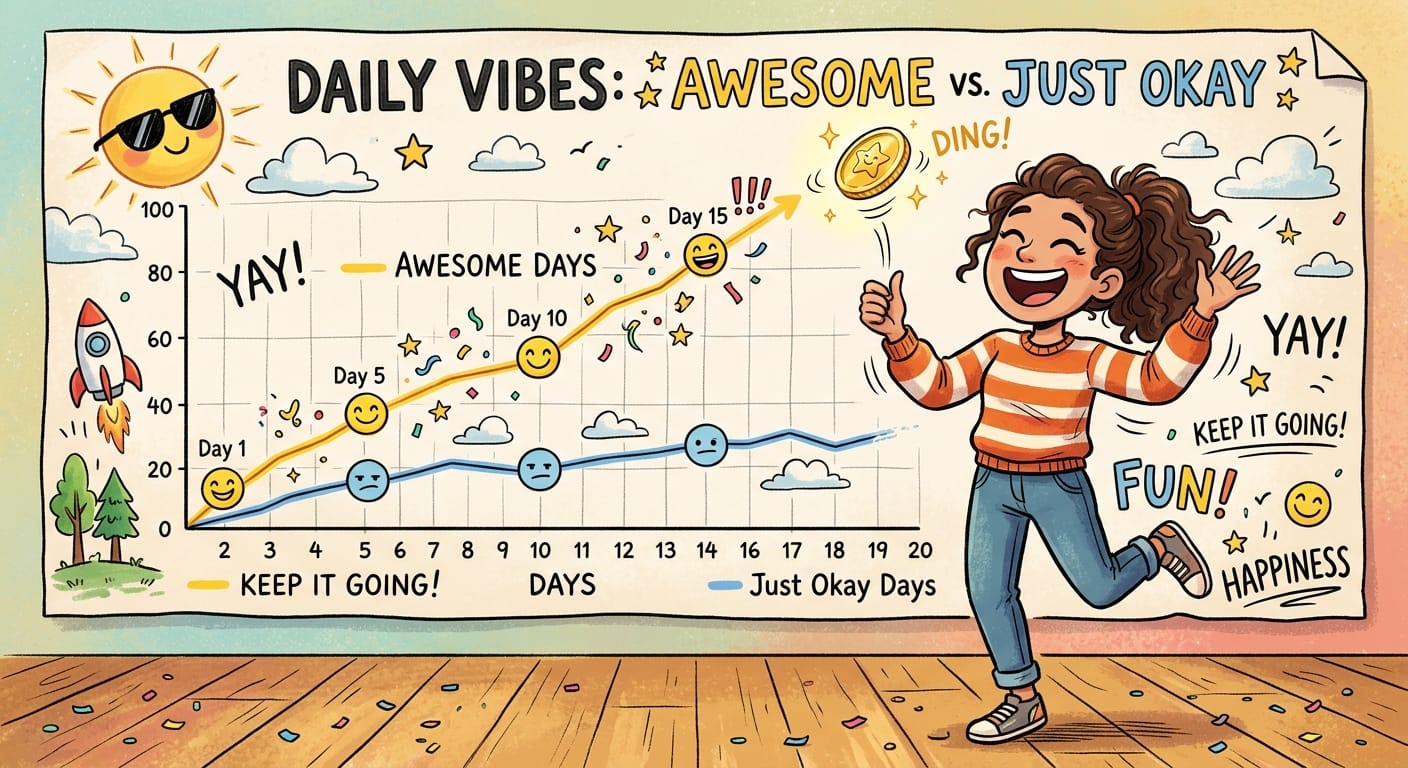
How to Test Your Luck: Practical Ways to Discover Your Fortune and Cultivate Serendipity
Ever wondered if you’re one of those ‘lucky’ people? You know the type—they find twenty-dollar bills in old jeans and always snag the best parking spot. The concept of luck fascinates us all, often feeling like an unpredictable force. But what if there were ways to test your luck, or at least understand your relationship with good fortune? This post will explore practical, insightful, and fun methods to gauge your luck. We’ll discover how much of it is random versus influenced by your mindset. So, are you ready to find out if you’re a leprechaun’s cousin?
Table of Contents
- Beyond Four-Leaf Clovers: How to Test Your Luck (and Sanity)
- What is Luck Psychology? Tuning Your ‘Lucky’ Radar
- How to Cultivate Luck: Your Guide to Fortune Farming
Beyond Four-Leaf Clovers: How to Test Your Luck (and Sanity)
Before we start flipping coins and reading tea leaves, let’s figure out what we’re even dealing with. Is luck a magical pixie that follows some people around, or is it something more tangible? Understanding the different perspectives is the first step in any good scientific-ish investigation to discover your fortune. This is where we lay the groundwork for our highly unscientific but deeply insightful experiments.
What is Luck, Anyway? A Philosophical Bar Napkin Sketch
At its core, the debate over luck boils down to two main camps. One side says luck is pure, unadulterated random chance. It’s the mathematical probability of a meteor not landing on your car today. There’s nothing you can do about it; the universe is just a giant, chaotic bingo hall, and your number is either called or it isn’t. This view is both comforting and terrifying, suggesting we have no control.
The other camp, however, brings in the psychology of luck. This perspective argues that “luck” is often about perception and opportunity. Lucky people aren’t necessarily getting better dice rolls; they’re just better at noticing when they have a good hand. They are masters of serendipity, spotting valuable chances that others miss. Luck, from this view, is like a shy cat—it’s more likely to approach you if you’re calm, open, and happen to have a pocket full of tuna (opportunity).
DIY Luck Tests: Because Science is Expensive
Ready to get your hands dirty with some fun luck tests? The goal here isn’t to create a peer-reviewed study but to spark awareness about outcomes and your reactions. Think of it as a personal audit of your good fortune. These simple experiments can help you start a conversation with the universe. Here are a few to try:
- The Dedicated Coin Flip: Don’t just flip a coin; give it purpose. Assign “heads” to something positive (e.g., “I’ll have a productive day”) and “tails” to a neutral outcome. Flip it 10 times in the morning. Keep a tally. Is the universe biased in your favor, or are you just good at flipping? This is a simple way to measure luck on a micro-scale.
- The Traffic Light Gambit: On your next drive, predict whether the next three traffic lights will be green or red. More than a guess, this test hones your observation. You’ll start noticing traffic patterns and timings, blending pure chance with subtle observation. This is a classic example of seeing lucky signs in everyday life.
- The “Random Compliment” Mission: Your mission, should you choose to accept it, is to receive an unsolicited compliment today. You can’t fish for it. This isn’t about proving a mystical force; it’s about seeing if your positive, open demeanor invites positive interactions. You might be surprised how your own actions can generate a “lucky” outcome.
Remember, the result is less important than what you notice during the process. How do you feel when you “lose” a coin flip? Do you brush it off or does it ruin your morning? Your reaction is a huge part of the luck equation. Check out ResellerPanel.

What is Luck Psychology? Tuning Your ‘Lucky’ Radar
So, you’ve flipped some coins and predicted some traffic lights. Now it’s time to dive into the squishy, fascinating world of your own brain. A huge part of the “am I lucky” question is answered right between your ears. Research into the what is luck psychology field shows that our mindset, personality, and perception are the ultimate luck amplifiers. It’s not about magic; it’s about your mental programming.
Spotting Lucky Signs and Serendipity
Have you ever thought of a friend you haven’t seen in years, only to run into them at the grocery store an hour later? Unlucky people might call it a weird coincidence. Lucky people call it Tuesday. The difference lies in attention. “Lucky” individuals have their radar constantly scanning for positive opportunities and connections. They’re more likely to notice the serendipitous moment because they’re expecting it.
This is where practices like mindfulness and gratitude come in. Keeping a simple gratitude journal—writing down three good things that happened each day—literally retrains your brain. You start actively looking for the small wins: the perfect cup of coffee, the song you love coming on the radio, the dog that smiled at you. Suddenly, your life seems filled with lucky signs, not because more are happening, but because you’re finally noticing them.
The ‘Lucky’ Personality Profile: Are You on the List?
Dr. Richard Wiseman, a psychologist who has extensively studied luck, found that “lucky” people consistently share certain personality traits. They aren’t born under a special star; they simply think and behave in ways that maximize their good fortune. So, how do you stack up? Here’s a quick rundown of the lucky personality profile: Check out get creative contents with AI Content X Studio.
- High in Openness: Lucky people love new experiences. They’ll try the weird dish on the menu, take a different route to work, and chat with strangers. This variety dramatically increases their chances of stumbling upon a new opportunity, idea, or connection.
- Masters of Optimism: They expect good things to happen. This isn’t naive wishful thinking; it’s a powerful psychological tool. An optimistic outlook makes you more persistent and motivated, so you’re more likely to keep trying until you succeed.
- Expert Re-framers: When something bad happens, “unlucky” people see it as proof that the world is against them. “Lucky” people are adept at finding the silver lining. They see a setback as a learning experience or a redirect toward something better. They turn bad luck into good.
- Trust Their Intuition: Lucky people listen to their gut feelings. They pay attention to those subtle internal signals that help them make better decisions, whether in business or personal relationships.
The good news? None of these traits are set in stone. They are skills you can develop. Learning to be more open or optimistic is a direct way to cultivate luck in your life. It’s like exercise for your serendipity muscles.
How to Cultivate Luck: Your Guide to Fortune Farming
If luck isn’t just a random lightning strike, then it’s something you can actively encourage. It’s time to stop waiting for fortune to find you and start sending it a handwritten invitation. You can create an environment where lucky breaks are more likely to sprout. Think of yourself as a fortune farmer, tilling the soil of your life to reap a harvest of good luck. Here’s how you can start to cultivate luck.
Actionable Steps to Increase Your Luck Quotient
Creating your own luck is an active process. It requires intention, action, and a bit of bravery. Here are practical strategies to get started:
- Break Your Routine: Routines are efficient, but they are also opportunity-killers. Take a different path on your walk, work from a new cafe, or attend an event outside your industry. Breaking your patterns introduces novelty and increases the probability of a chance encounter. You never know, that spontaneous trip might lead you to find amazing cheap hotels and a new perspective.
- Talk to More People: Every person you meet is a doorway to a new network of people and possibilities. Make it a point to have a brief, friendly chat with the barista, the person next to you in line, or a colleague from another department. More connections equal more potential opportunities.
- Stay Curious and Learn: Luck often favors the prepared mind. Constantly learning new skills makes you more valuable and versatile. When a random opportunity appears, you’ll be one of the few people qualified to seize it. Having a professional portfolio on a WordPress site is one way to always be ready.
- Embrace Your ‘Failures’: See every mistake not as a disaster, but as data. What did you learn? How can you do it better next time? Lucky people don’t fail less; they just fail forward, using each stumble as a stepping stone.
Preparation Meets Opportunity: The Real ‘Lucky Break’
The Roman philosopher Seneca famously said, “Luck is what happens when preparation meets opportunity.” This is the secret sauce. That actor who gets an “overnight” breakthrough has likely spent a decade going to auditions. That tech entrepreneur whose company takes off spent years coding in a garage. Their “lucky break” was the culmination of relentless, unseen preparation. Check out Pictory.
Your job is to do the preparing. Build your skills, expand your network, and get your house in order. When the unpredictable wave of opportunity comes, you’ll be the one with the surfboard ready to ride it. Part of this preparation in the modern age is being visible online. Using a platform like Systeme.io can help you build a professional presence so that opportunity can find you. It’s about putting yourself in the path of luck.

Marketing Your ‘Lucky’ Brand
In a world of constant noise, being prepared isn’t enough; you also have to be visible. Creating your own luck often involves marketing yourself and your abilities. You need to let the world know you exist and are ready for action. This doesn’t mean you need to be a slick salesperson, but it does mean putting your work and your voice out there consistently. Check out WooCommerce.
Managing your online presence is a key part of this. You can automate your social media updates with powerful tools like JetPack for social media auto publisher to stay top-of-mind. If you want to create compelling video content to showcase your talents, services like Synthesia allow you to generate professional AI videos with ease. For those who monetize their visibility, efficiently managing links with a tool like PrettyLinks is a game-changer. These aren’t just tools; they are part of the modern ‘luck’ toolkit.
Conclusion: The Verdict on Your Fortune
So, after all this, the answer to “how to know if lucky” is more complex than a simple yes or no. To test your luck is to test your own perceptions, attitudes, and actions. It’s less about proving a mystical force and more about understanding your agency in the world. While pure, random chance undeniably plays a role in life, our mindset and preparedness are the powerful currents that guide our ship.
Our narrative of luck is shaped by our openness to opportunity and our resilience in the face of setbacks. By trying these simple tests, observing your reactions, and actively adopting a luckier mindset, you can do more than just gauge your fortune. You can actively cultivate an environment where good things are simply more likely to happen. The power to change your luck is, to a surprising extent, in your own hands. Check out WP Job Manager.
So, are you lucky? The answer lies not just in what happens to you, but in how you see it and what you do next. Now stop reading and go create a little luck. What’s one small, new thing you will do today to invite a little more serendipity into your life? Share your plan in the comments below! Check out Sensei.
Discover more from YuRaFa
Subscribe to get the latest posts sent to your email.






Leave a Reply