The Ultimate Beginner’s Guide to Starting a Dropshipping Business

Dropshipping has emerged as a popular and accessible e-commerce business model, allowing entrepreneurs to sell products online without the need to manage inventory or shipping. This guide will walk beginners through everything they need to know to launch a successful dropshipping venture, from understanding the basics to scaling their operations. It’s a low-risk way to enter the online retail space, offering flexibility and the potential for significant growth.
What is Dropshipping and How Does it Work?
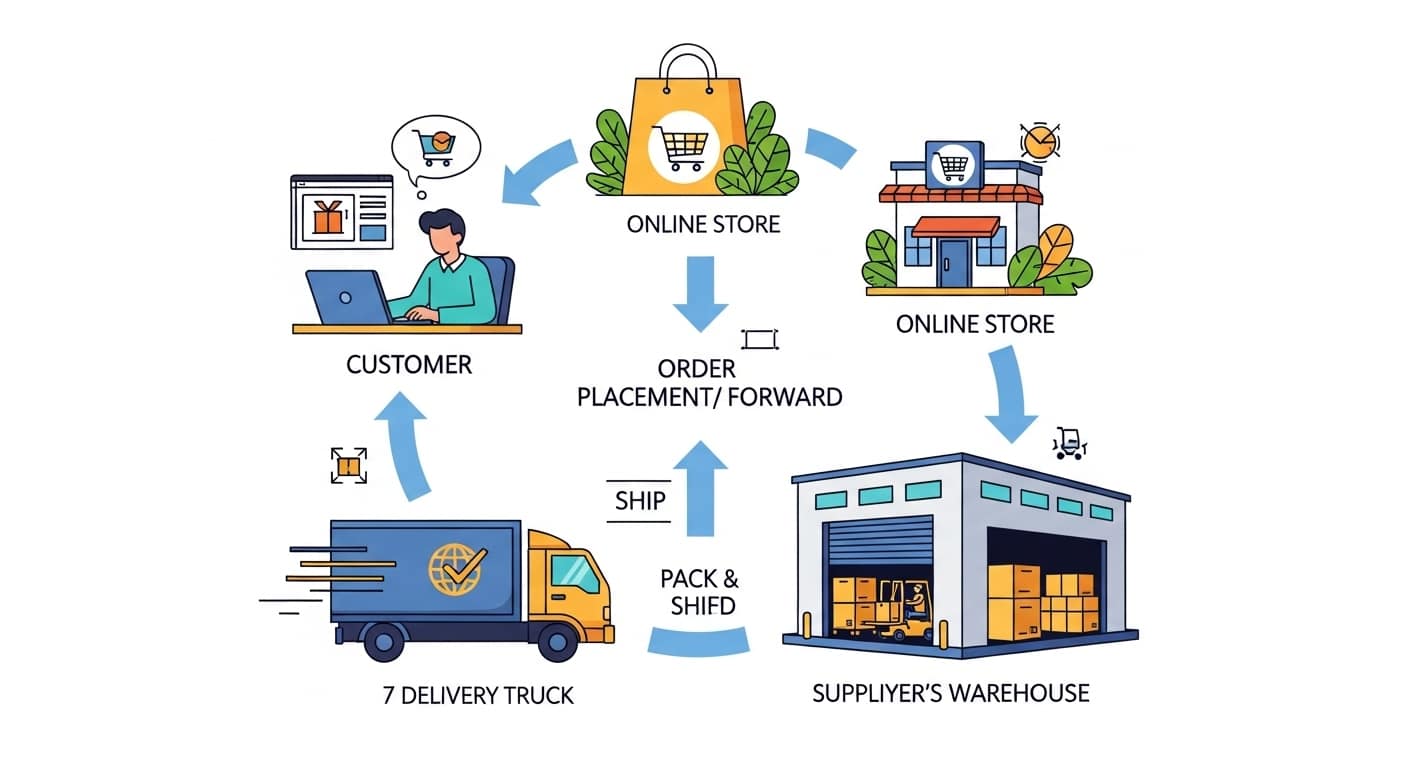
So, what’s all the buzz about? In a nutshell, dropshipping is a retail fulfillment method where a store doesn’t keep the products it sells in stock. Instead, when you sell a product, you purchase the item from a third party—a wholesaler or manufacturer—who then ships it directly to the customer. You never have to handle the product yourself.
The process is refreshingly simple:
- A customer purchases a product from your online store.
- You receive the payment and automatically (or manually) forward the order and customer details to your dropshipping supplier.
- You pay the supplier their wholesale price for the product.
- The supplier packages and ships the product directly to your customer on your behalf. Your profit is the difference between what you charged the customer and what you paid the supplier.
That’s it! You’re the storefront, the marketer, and the customer service hub, while the supplier handles all the logistics of storage and shipping.
Why Start a Dropshipping Business? (Benefits & Considerations)
Like any business model, dropshipping has its shiny upsides and a few things to keep in mind. Let’s break it down.
The Awesome Benefits
- Low Startup Costs: This is the big one. You don’t need to invest thousands of dollars in inventory. Your main costs are building your website and marketing.
- Easy to Get Started: Without the hassle of inventory or shipping, you can launch a business much faster.
- Work From Anywhere: All you need is a laptop and an internet connection. Hello, digital nomad life!
- Wide Product Selection: You can offer a huge variety of products because you don’t have to pre-purchase them. You can easily test new items to see what sells.
- Scalable: As your business grows, the model remains the same. You’ll process more orders, but your workload doesn’t increase exponentially because the supplier handles the fulfillment.
A Few Things to Consider
- Lower Profit Margins: Since you’re not buying in bulk, your margins are typically lower than traditional retail. It’s a numbers game that relies on volume.
- Supplier Reliance: You’re putting a lot of trust in your supplier. If they make a mistake with an order, it’s your reputation on the line.
- Shipping Complexities: If you use multiple suppliers, shipping costs and times can get complicated for a single customer order.
- Fierce Competition: The low barrier to entry means you’ll have a lot of competition. Standing out is key!
Step 1: Niche and Product Research – Finding Your Winning Products
You can’t sell everything to everyone. The secret to success is finding a specific niche—a focused, targetable segment of the market. Think “high-tech camping gear for solo hikers” instead of just “outdoor equipment.”
How to Find Your Niche:
- Follow Your Passion: What are you interested in? It’s easier to sell something you’re genuinely excited about.
- Solve a Problem: Products that solve a pain point for customers are always in demand.
- Look at Trends: Use tools like Google Trends to see what’s popular, but try to find something with lasting appeal, not just a passing fad.
Once you have a niche, it’s time for product research. Look for products with a “wow” factor, good profit potential, and that aren’t easily available in local stores. Spend time browsing supplier marketplaces and social media to see what’s getting engagement.
Step 2: Finding Reliable Dropshipping Suppliers
Your supplier is your business partner, so choose wisely! A bad supplier can ruin your store’s reputation with late shipments and low-quality products. Popular platforms for finding suppliers include AliExpress, SaleHoo, and Spocket, but do your homework.
What to Look for in a Supplier:
- Positive Reviews and a Good Reputation: See what other dropshippers are saying about them.
- High-Quality Product Photos: Good photos show they care about their products.
- Responsive Communication: Send them a few questions. How quickly and helpfully do they respond?
- Reasonable Shipping Times: Be transparent with your customers about shipping times. Look for suppliers who offer faster shipping options like ePacket.
Always order a sample for yourself first to test the product quality and the shipping process before you list it on your store.
Step 3: Building Your Online Store (Choosing a Platform & Setup)
This is where your business comes to life! You have a few options for building your store. Hosted platforms like Shopify are popular for their all-in-one simplicity. However, for ultimate control and customizability, many entrepreneurs opt for a self-hosted solution.
A powerful and cost-effective combination is building your site with WordPress, a flexible and scalable content management system. By adding the free WooCommerce plugin, you can transform your WordPress site into a full-featured e-commerce powerhouse with endless customization options. This route gives you complete ownership of your data and brand.
Key Setup Steps:
- Choose a Domain Name: Pick a short, memorable name that reflects your brand.
- Set Up Your Platform: Install WordPress and WooCommerce or sign up for your chosen platform.
- Pick a Theme: Select a clean, professional, and mobile-friendly design.
- Add Your Products: Write compelling product descriptions and upload high-quality images.
- Set Up Payment Gateways: Configure options like Stripe and PayPal so you can get paid.
Step 4: Crafting Your Brand Identity
In a crowded market, your brand is what makes you stand out. It’s more than just a logo; it’s the entire experience you offer your customers. A strong brand builds trust and loyalty.

Elements of a Strong Brand:
- Memorable Business Name: Something unique and easy to spell.
- Professional Logo: Your brand’s visual cornerstone. You can use online tools or hire a freelancer to create one.
- Brand Colors and Fonts: Choose a consistent color palette and typography that reflects your brand’s personality (e.g., playful, sophisticated, earthy).
- Brand Voice: How do you communicate with your customers? Are you funny and casual, or formal and authoritative? Keep it consistent across your website, ads, and emails.
Step 5: Understanding Business Finances and Legalities
This part might not be as exciting as marketing, but it’s crucial. Getting your legal and financial ducks in a row from the start will save you major headaches later.
Essential Financial and Legal Steps:
- Choose a Business Structure: Many beginners start as a Sole Proprietorship, which is the simplest to set up. As you grow, you might consider an LLC for liability protection. (Disclaimer: Consult with a legal or financial professional for advice specific to your situation.)
- Open a Business Bank Account: Keep your business and personal finances separate. This makes bookkeeping much easier.
- Understand Your Numbers: Keep track of your revenue, product costs, marketing spend, and other fees to understand your actual profit margins.
- Taxes: Be aware of your responsibility for collecting sales tax and paying income tax. This varies by location, so research your local requirements.
Step 6: Marketing Your Dropshipping Store for Success
You’ve built a beautiful store, but now you need to get people to visit it. Marketing is an ongoing process of testing and finding what works for your niche.

Effective Marketing Channels:
- Social Media Marketing: Platforms like TikTok, Instagram, and Facebook are visual and perfect for showcasing products. Paid advertising on these platforms can be a powerful way to reach your target audience quickly.
- Content Marketing & SEO: Start a blog related to your niche. Writing helpful articles can attract organic traffic from search engines like Google over time.
- Email Marketing: This is a must! Start collecting emails from day one with a pop-up offering a discount. Email is one of the best ways to build a relationship with customers and drive repeat sales. Tools like GetResponse make it easy to manage your lists and send beautiful, automated email campaigns.
- Influencer Marketing: Partner with influencers in your niche to review or showcase your products to their followers.
Step 7: Managing Orders, Customer Service, and Returns
Once the sales start rolling in, your focus shifts to fulfillment and support. A smooth post-purchase experience is vital for getting good reviews and repeat business.
Daily Operations Checklist:
- Process Orders Promptly: As soon as an order comes in, forward it to your supplier to minimize delays.
- Keep the Customer Informed: Send order confirmation and shipping confirmation emails with tracking numbers.
- Provide Stellar Customer Service: Be prepared to answer questions about products, shipping status, and returns. Respond quickly and politely. You are the face of the company, even if you don’t ship the product.
- Have a Clear Return Policy: Work out a return and refund process with your supplier and display a clear policy on your website to build trust.
Tips for Long-Term Success and Scaling Your Business
Launching your store is just the beginning. The real goal is to build a sustainable and profitable business.
- Focus on Customer Retention: It’s cheaper to keep a customer than to acquire a new one. Use email marketing and loyalty programs to encourage repeat purchases.
- Automate Everything You Can: Use apps and tools to automate order fulfillment, marketing, and customer service to free up your time.
- Optimize Your Website: Constantly analyze your store’s data. Which pages have a high bounce rate? Where are customers dropping off in the checkout process? Make improvements to increase your conversion rate.
- Expand Your Product Line: Once you have a proven winner, find complementary products to add to your store and increase the average order value.
Conclusion
Starting a dropshipping business, while seemingly straightforward, requires careful planning, consistent effort, and a commitment to learning. By following the steps outlined in this guide, beginners can establish a solid foundation, navigate common challenges, and build a profitable online store without the traditional complexities of inventory management. Continuous optimization and adaptation to market trends will be key to long-term success.








Leave a Reply