Dropshipping Demystified: Your Guide to Starting a Successful Online Business
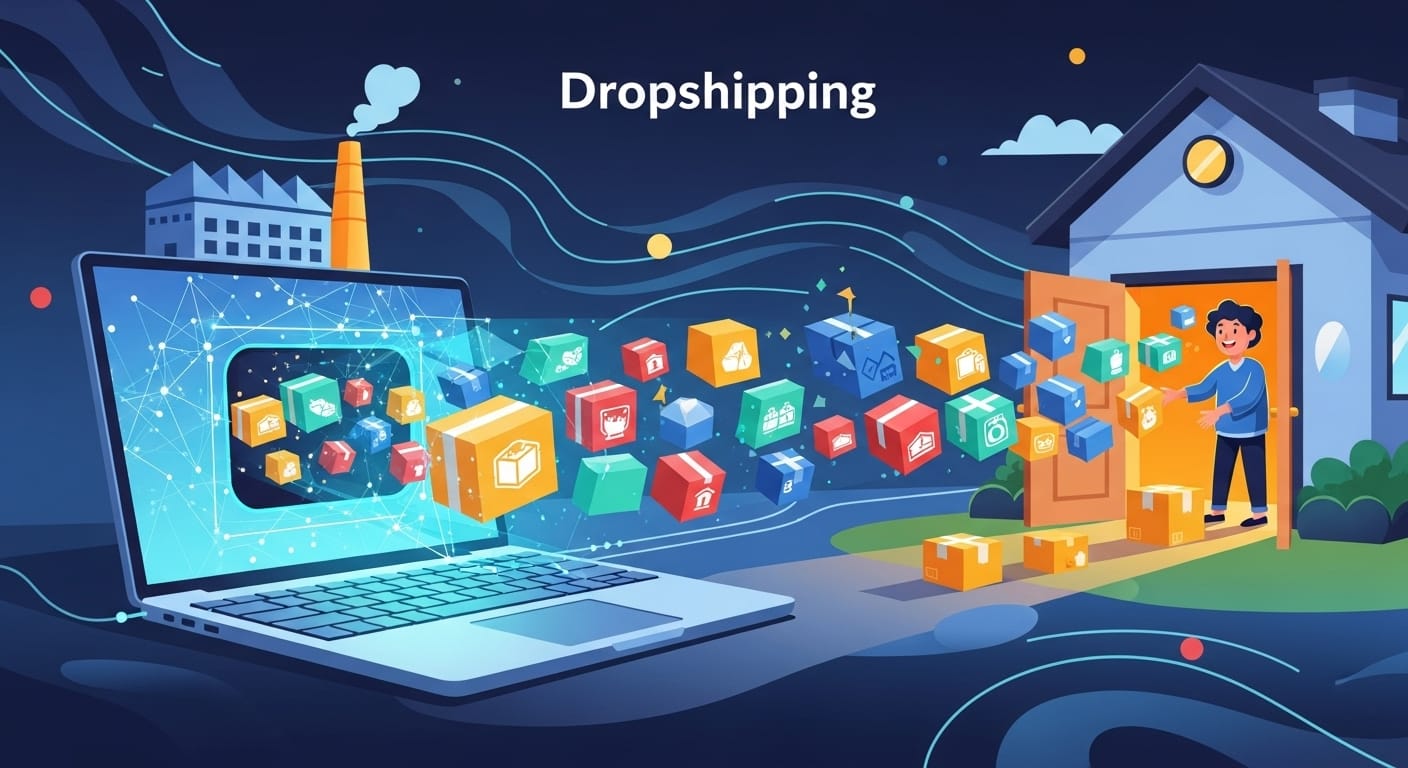

Ever dreamed of running your own online store but got spooked by the thought of a garage full of unsold inventory? You’re not alone. That’s where dropshipping comes in. It has become a go-to e-commerce model for new entrepreneurs, letting you sell products online without ever touching the physical stock. This guide is here to break down what dropshipping is all about, the good and the bad, and give you a clear, step-by-step plan to get your own venture off the ground.
What is Dropshipping and How Does it Work?
So, what’s the magic behind dropshipping? It’s actually a pretty simple retail fulfillment method. Think of yourself as the storefront and the middleman. Here’s the flow:
- A customer finds a cool product on your awesome online store and places an order.
- You get a notification and the payment.
- You then forward that order (and pay the wholesale price) to your third-party supplier.
- The supplier packages the product and ships it directly to your customer.
Your profit is the difference between what your customer paid you and what you paid the supplier. You never have to worry about packaging, shipping, or storing inventory. Your main job is to build a great brand, market your products, and handle customer service.
The Pros and Cons of a Dropshipping Business
Like anything in life, dropshipping has its highs and lows. It’s crucial to know what you’re getting into before you dive in.
The Good Stuff (Pros)
- Low Startup Costs: This is the big one. You don’t need to buy hundreds of products upfront, which means you can start a dropshipping business with very little capital.
- Huge Product Selection: You can offer a wide variety of products because you don’t have to pre-purchase them. Want to test a new gadget or trend? Just add it to your store.
- Flexibility and Scalability: Run your business from anywhere with an internet connection. As your business grows, the fulfillment work is handled by your suppliers, so you can focus on growth without being buried in shipping labels.
The Not-So-Good Stuff (Cons)
- Slim Profit Margins: With low barriers to entry comes a ton of competition. This can lead to price wars and smaller profit margins, so you have to sell a lot to make a decent income.
- Limited Control: You’re putting a lot of trust in your supplier. When they mess up an order or have shipping delays, your brand’s reputation is on the line. Product quality is also out of your direct control.
- Tough Customer Service: You are the face of the business. If a customer has a problem with the product or shipping, they’re coming to you, and you’ll have to coordinate with the supplier to fix it.
- Branding Challenges: Since you’re selling products others are also selling, making your brand stand out can be tricky.
7 Essential Steps to Start Your Dropshipping Business
Ready to get started? Launching a successful dropshipping store comes down to a solid plan. Here are the key steps to follow.
1. Choose a Profitable Niche
Don’t try to sell everything to everyone. The most successful stores focus on a specific niche—a market or product category that has a passionate audience. Think about hobbies, problems people need to solve, or trends. Use tools like Google Trends to see what’s in demand and find a sweet spot with high interest but manageable competition.
2. Research Competitors
Once you have a niche, do some recon. Check out other dropshipping stores in that space. What products are they selling? How are their prices? What kind of marketing are they doing? This isn’t about copying them; it’s about learning what works and finding a way to do it better or differently.
3. Find Reliable Dropshipping Suppliers
Your supplier is your business partner, so choose wisely. A bad supplier can sink your business. Look for partners with high-quality products, fair prices, and reliable shipping. Always, always order samples for yourself first to check the product quality and see how long shipping actually takes.

4. Build Your Online Store
This is your digital storefront, so make it look good! You need a professional, trustworthy, and easy-to-navigate website. Platforms like Shopify or Wix are popular choices. If you’re using WordPress, you can build a powerful and flexible store with WooCommerce. Write compelling product descriptions and use high-quality photos and videos to showcase your products.
5. Set Up Your Business and Finances
Time to make it official. Decide on a legal structure for your business (like a sole proprietorship or LLC), register it, and open a dedicated business bank account to keep your finances separate. Figure out your pricing strategy—make sure to account for the product cost, shipping fees, marketing expenses, and transaction fees to ensure you’re actually making a profit on each sale.
6. Develop a Marketing Strategy
You can have the best store in the world, but it won’t matter if no one knows it exists. You need a plan to attract customers. This can include paid ads on platforms like Facebook, Instagram, and TikTok, working with influencers, or creating content through a blog or social media. Email marketing is also incredibly powerful for turning one-time buyers into repeat customers; a tool like GetResponse can help you automate campaigns and build your email list from day one.
7. Analyze and Optimize
Your work isn’t done after you launch. Constantly keep an eye on your data. Which products are selling? Where is your traffic coming from? What are customers saying? Use this feedback to make adjustments. Test new products, tweak your marketing campaigns, and always look for ways to improve the customer experience.
Strategies for Dropshipping Success
To rise above the competition, you can’t just be another generic store. You need to focus on building a real brand. Create a unique identity, tell a story, and connect with your audience. Another huge factor is customer service. Be responsive, helpful, and transparent, especially when things go wrong. Happy customers become loyal customers. It’s also smart to keep testing new products and marketing angles. And don’t be afraid to embrace technology—AI tools can now help with everything from finding winning products to writing ad copy, giving you a serious competitive edge.
Common Dropshipping Mistakes to Avoid
Many new dropshippers stumble on the same hurdles. Here are a few big ones to watch out for:
- Expecting Overnight Riches: Dropshipping is a real business, not a get-rich-quick scheme. It takes hard work and persistence.
- Not Researching Products or Suppliers: Skipping your due diligence on what you sell and who you partner with is a recipe for disaster.
- Having a Terrible Website: A cheap-looking, unprofessional website screams “scam.” Invest in good design and a user-friendly experience.
- Ignoring Customer Service: Neglecting customer emails and complaints will destroy your reputation. Make support a top priority.
- Competing Only on Price: Trying to be the cheapest option is a race to the bottom. Focus on providing value and building a strong brand instead.
- No Marketing Plan: Simply launching your store and hoping for sales is not a strategy. You have to actively promote your business to bring in customers.
Wrapping It Up
Dropshipping is a fantastic way to step into the world of e-commerce without the massive risks of traditional retail. It has its challenges, for sure, but they are far from insurmountable. By choosing your niche wisely, finding great partners, focusing on excellent customer service, and marketing effectively, you can build a sustainable and successful online business. It’s a journey that requires strategic effort and a willingness to learn, but the reward of being your own boss is well worth it.
Discover more from YuRaFa
Subscribe to get the latest posts sent to your email.








Leave a Reply