War’s Economic Ripple Effect: How Global Markets Are Impacted


Geopolitical conflicts send shockwaves far beyond the battlefield, creating some serious uncertainty in the global economy. These events aren’t just isolated incidents; they trigger a cascade of economic consequences that can affect everyone, from big-time investors to everyday shoppers. We’re talking about everything from soaring inflation to fractured supply chains. Understanding these far-reaching impacts is crucial for navigating the volatile financial landscape that war often creates and protecting your financial well-being.
The Surge of Inflation: War’s Impact on Your Wallet
One of the most immediate and personal economic consequences of war is a sharp rise in inflation. Suddenly, it feels like your money just doesn’t go as far as it used to, eroding the purchasing power you’ve worked hard to build. The connection between war and inflation is direct and powerful. For starters, governments often ramp up military spending, pumping huge amounts of money into the economy to fund the conflict. This increased spending, without a corresponding increase in goods, can push prices up.
More importantly, war disrupts the flow of essential commodities. When a conflict affects a major producer of grain, oil, or critical minerals, the global supply shrinks. Basic economics tells us that when supply goes down and demand stays the same, prices go up. This isn’t just about the price of gas at the pump; it affects the cost of food, manufacturing, and transportation, leading to higher prices for nearly all everyday goods and services.
Navigating Market Volatility and Geopolitical Risk
War creates a climate of fear and uncertainty, and financial markets absolutely hate uncertainty. This leads to significant volatility, with stock prices swinging wildly as investors react to news from the front lines. This is where the concept of geopolitical risk comes into play. It’s essentially the risk that a conflict or political event in one country will have a negative impact on investments in another.
When geopolitical risk is high, investors tend to pull their money out of what they perceive as risky assets (like stocks) and move it into safer havens. This “flight to safety” can cause sharp downturns in the stock market. The economic impact of war isn’t uniform across all sectors, though. Defense and cybersecurity stocks might see a surge, while industries heavily reliant on international trade or stable energy prices, like airlines and manufacturing, often take a hit. Looking at historical trends shows that while markets react sharply at the onset of a conflict, they often show surprising resilience over the long term.
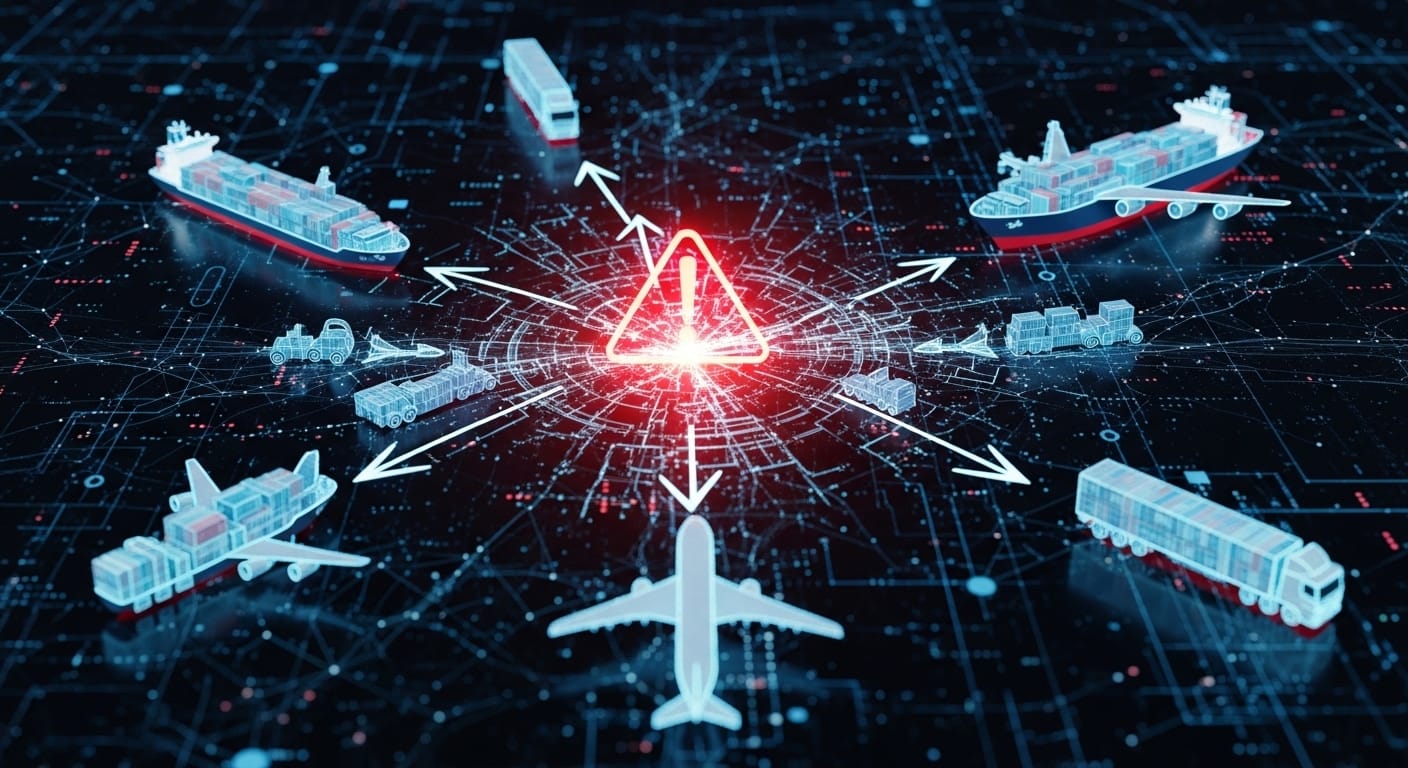
Fractured Trade: How War Disrupts Global Supply Chains
Our modern global economy and war are deeply intertwined through a complex network of supply chains. These networks are incredibly efficient but also incredibly fragile. Conflict can shatter them in an instant. Supply chain disruptions are a major consequence, as blockades can prevent ships from leaving ports, sanctions can halt trade with entire nations, and critical infrastructure like roads, bridges, and factories can be damaged or destroyed.
Think about it: a missing component from a conflict zone can halt an entire assembly line on the other side of the world. We’ve seen this with everything from Ukrainian grain, which feeds millions globally, to specialized gases needed for semiconductor manufacturing. These disruptions don’t just mean you might have to wait longer for a new car or smartphone; they also lead to shortages and significantly increased shipping and production costs, which are ultimately passed on to you, the consumer.
The Energy Shock: Fluctuating Oil and Gas Prices
Nothing sends a shiver through the global economy quite like an energy shock. When conflicts erupt in major energy-producing regions like the Middle East or Eastern Europe, the impact on oil prices and war is almost immediate. The fear of a supply disruption alone can cause crude oil and natural gas prices to skyrocket.
These price hikes have a massive ripple effect. Higher fuel costs mean it’s more expensive to transport goods, heat homes, and run factories. This directly fuels inflation and can act as a brake on economic growth, as both consumers and businesses cut back on spending to cope with higher energy bills. For energy-importing nations, this can lead to a significant economic slowdown, while energy exporters might see a windfall.
Seeking Shelter: Safe Investments in Times of Turmoil
So, with all this volatility and risk, where can you put your money? During periods of intense geopolitical uncertainty, many investors scramble for “safe-haven” assets to protect their capital. The search for safe investments during war is a common reaction to market turbulence.
The most traditional safe haven is gold. For centuries, gold has been seen as a reliable store of value that isn’t tied to the fortunes of any single government or currency. When investors are fearful, they often buy gold, driving its price up. Other potential safe havens include government bonds from stable countries (like U.S. Treasury bonds), currencies like the Swiss franc and Japanese yen, and sometimes even real estate. The goal isn’t necessarily to make a huge profit, but to preserve wealth until the storm passes.
The economic fallout from war is complex and multifaceted, impacting everything from the price of groceries to the value of your investment portfolio. By understanding the dynamics of war and inflation, supply chain disruptions, and geopolitical risk, individuals and businesses can make more informed financial decisions. In today’s world, staying informed and adaptable is key. Businesses, for instance, need to pivot their strategies quickly. This might involve creating new marketing materials or streamlining their entire online presence. For those looking to adapt, you can get creative contents with AI Content X Studio to rapidly generate new messaging, or even build and manage your entire business funnel with an all-in-one platform like Systeme.io. Ultimately, resilience is key to navigating the economic challenges that arise in a world shaped by conflict.
Discover more from YuRaFa
Subscribe to get the latest posts sent to your email.








Leave a Reply