AI Storytelling: How Modern Algorithms Are Reviving Ancient Myths
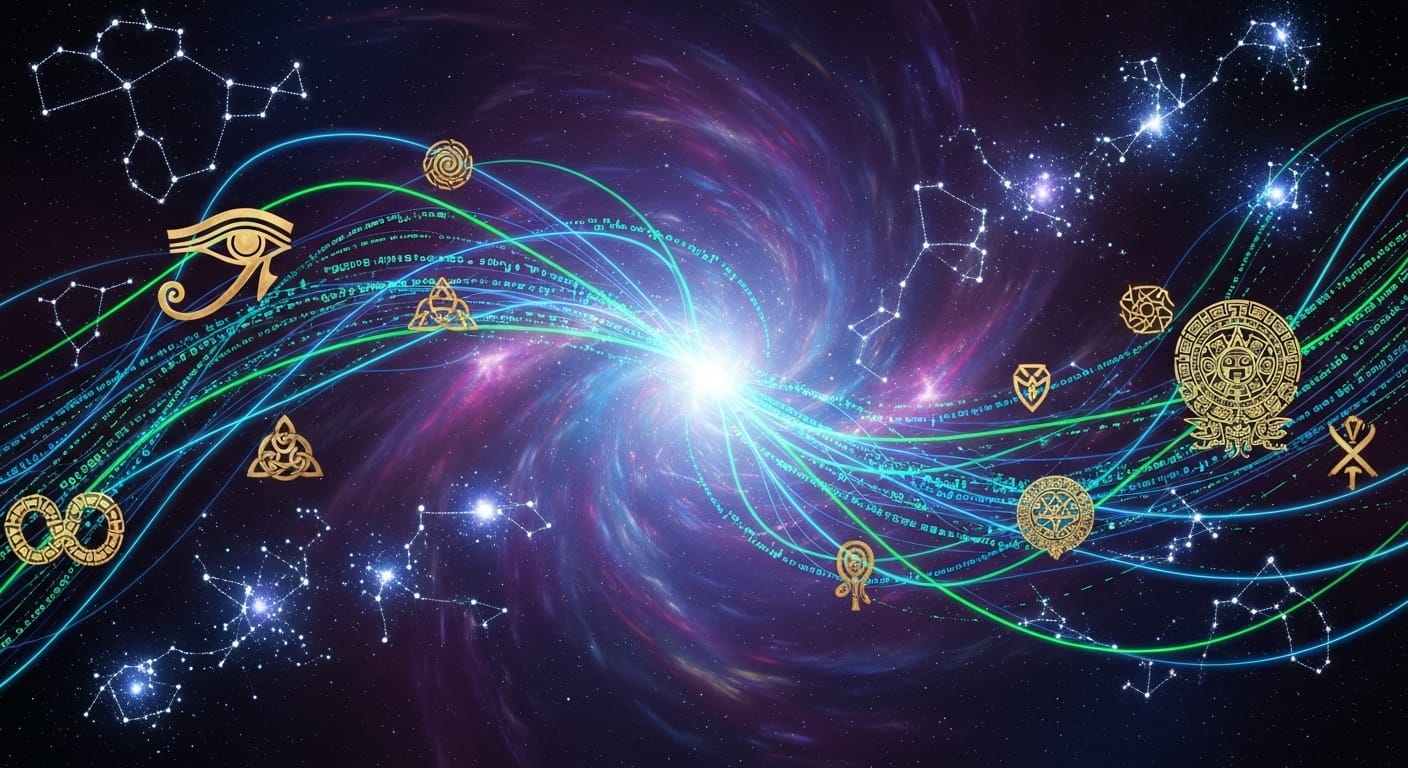
AI Storytelling: How Modern Algorithms Are Reviving Ancient Myths
From flickering campfires to glowing digital screens, storytelling is at the heart of the human experience. The oldest of these stories—myths—have shaped cultures and explained the world for millennia. Today, an unlikely new bard has emerged: Artificial Intelligence. This article explores the fascinating intersection of ancient tradition and cutting-edge technology, examining how modern algorithms are not just creating new narratives, but breathing new life into the timeless myths that define us.
The Enduring Power of Mythological Structures
Before diving into the technology, we must understand the foundation upon which it builds. Myths are not random tales; they are built on powerful, recurring patterns that resonate with the human psyche. These structures are precisely what makes them so suitable for algorithmic analysis and the new wave of AI storytelling.
At their core, myths are composed of archetypes. These are universal character models like the noble hero, the clever trickster, the wise old mentor, or the fearsome shadow figure. From Odysseus to Luke Skywalker, the hero archetype follows a recognizable path. These figures act as symbolic shorthand, allowing stories to convey complex ideas efficiently.
Myths also explore universal themes that transcend time and culture: creation, destruction, love, betrayal, and redemption. These concepts form the emotional and philosophical backbone of the narrative. They are the questions that humanity has always asked, wrapped in a story.
Perhaps the most famous narrative structure is Joseph Campbell’s “Hero’s Journey.” This monomyth outlines a cycle—departure, initiation, and return—that appears in countless legends worldwide. An algorithm can learn to recognize this pattern, identifying its stages and character roles. Because these structures are so deeply embedded and repetitive across thousands of stories, they provide a perfect dataset for a machine learning model to study and replicate.
Decoding the Digital Bard: How AI Learns to Tell Stories
The concept of AI storytelling can seem like magic, but it’s rooted in data and complex mathematics. The digital bards of our time are primarily large language models (LLMs). These are sophisticated neural networks trained on unimaginable quantities of text from the internet, digital libraries, and curated datasets.
Training on Humanity’s Library
To learn mythology, an AI is fed the source material. This includes epic poems like The Iliad and The Ramayana, sacred texts from countless traditions, and vast collections of folklore compiled by scholars. The algorithm doesn’t “read” these texts for meaning in the human sense. Instead, it analyzes statistical relationships between words, sentences, and narrative components.
It learns that a “hero” is often associated with a “quest” and a “sword,” or that a “trickster” character frequently causes “chaos” that leads to an unexpected “lesson.” Through this process of pattern recognition, the AI builds a complex map of how stories are constructed, from sentence structure to overarching plot development. The essence of AI storytelling is this ability to internalize the rules of narrative.

From Patterns to Plausible Plots
Once trained, the AI can generate new text. When prompted to write a story about a “sunken city and a forgotten god,” it draws upon its training to assemble a coherent narrative. It predicts the most likely next word, sentence, and plot point based on the patterns it has learned. This process is called generative AI.
The model ensures narrative coherence by maintaining a consistent tone, keeping track of characters, and following a logical progression of events. It can generate characters with distinct traits and motivations because it has analyzed countless protagonists and antagonists from its dataset. This form of computational creativity is what makes modern AI storytelling so compelling.
Case Studies: Ancient Myths Reimagined
The theoretical power of AI storytelling is already being demonstrated in fascinating practical applications. Artists, writers, and developers are using these tools to engage with ancient myths in entirely new ways, proving that this technology is more than just a novelty.
One of the most visually striking examples is in AI-generated art. Using text-to-image models, artists can now create stunning depictions of mythological scenes that were previously confined to imagination. Imagine prompting an AI to render “the Cyclops’s cave from The Odyssey in the style of a cosmic horror painting” or “the moment Icarus falls, depicted with cyberpunk aesthetics.” These tools allow for endless visual reinterpretation.
Interactive fiction is another burgeoning field. Developers are creating experiences where users can converse with mythological figures. You could ask Loki, the Norse trickster god, for his side of the story or seek wisdom from Anansi, the spider god of West African folklore. These AI-powered characters can respond dynamically, creating a unique and personal engagement with the myth.
Furthermore, some projects use AI to augment existing legends. Researchers are training models specifically on a single mythological cycle, like Arthurian legend, to generate new “lost verses” or alternative scenarios. This technique can explore “what if” questions, creating variations that feel authentic to the original source material and expanding the lore for modern audiences.
The New Pantheon: AI Generating Original Myths
Beyond reinterpreting the past, can algorithms create entirely new myths for the 21st century? This is where AI storytelling moves into uncharted territory. The potential is immense, as AI can synthesize concepts in ways a human mind might not, creating a new digital folklore.
An AI could be tasked with blending disparate mythological traditions. For instance, it could create a narrative combining the elemental spirits of Japanese Shinto with the heroic archetypes of Celtic mythology. The result would be a unique synthesis, a story that feels both familiar and alien, reflecting our increasingly globalized world.

More provocatively, algorithms can be fed contemporary data to generate myths relevant to our modern anxieties and aspirations. A model trained on climate science reports and news articles about ecological disaster could generate an epic of “The Great Warming.” Another, fed on data from space exploration, might create the founding myth of the first Martian colony. These new myths could help us process the complexities of our time.
However, this raises a critical question: do these AI-generated myths possess the depth and cultural resonance of their human-authored predecessors? A myth’s power comes from shared human experience and belief. Whether an algorithmically generated story can achieve this same cultural weight remains to be seen. It’s a key challenge for the future of AI storytelling.
Ethical Crossroads: Authorship, Bias, and Cultural Appropriation
The rise of the AI bard is not without its challenges. As we embrace this powerful technology, we must navigate significant ethical dilemmas. The convenience of AI storytelling comes with a responsibility to use it thoughtfully and critically.
The Ghost in the Machine: Authorship
A fundamental question is that of authorship. If an AI generates a story, who is the author? Is it the AI itself? The developers who created the model? Or the user who wrote the prompt that guided the creation? The legal and philosophical frameworks for copyright and creative ownership are struggling to keep pace with this new reality.
Bias and Digital Appropriation
A more urgent concern is the perpetuation of bias. The ancient texts that AIs learn from are products of their time, often containing social biases, stereotypes, and harmful perspectives. An AI, without careful guidance, can unthinkingly reproduce and even amplify these biases in its new creations. Developers must work to mitigate this risk.
Perhaps the greatest danger lies in digital cultural appropriation. Myths are often sacred to the cultures they originate from. Using a generic AI to generate stories based on these traditions risks trivializing them, stripping them of their cultural context, and misrepresenting their meaning. Respectful AI storytelling requires collaboration with and guidance from cultural custodians.
The Future of Folklore: Human-AI Collaboration
The most promising future for AI storytelling is not one where machines replace human creators, but one where they become powerful collaborative partners. This human-in-the-loop approach leverages the strengths of both, combining the AI’s vast knowledge and pattern-matching ability with human creativity, intuition, and ethical judgment.
For a writer facing a creative block, an AI can act as an inexhaustible muse, generating ideas, characters, or plot twists. For a game developer or filmmaker, AI can serve as a world-building assistant, creating detailed histories, cultures, and mythologies for fictional settings in a fraction of the time.
This technology also offers new hope for cultural preservation. AI can be used to help translate and archive endangered oral traditions, ensuring that ancient stories are not lost to time. It provides a new medium for sharing and adapting these tales, keeping them alive and relevant for generations to come. The practice of myth-making has always evolved with our tools, from oral recitation to the printing press, and now, to the algorithm.
Conclusion: The Digital Flame of an Ancient Fire
Artificial intelligence is the latest tool in humanity’s long and storied history of narrative creation. Far from being a soulless machine, it is a mirror reflecting our own collective stories, values, and fears. By learning from the myths of our past, AI offers us a unique opportunity to understand them more deeply and reimagine them for new generations.
The craft of AI storytelling is still in its infancy, and its ultimate impact is yet to be written. It challenges us to think critically about creativity, authorship, and the responsible use of technology. The ancient fire of storytelling now burns with a digital flame, offering both immense promise and profound questions. Its future is a story we will all write together.
What ancient myth would you like to see an AI reimagine? Share your ideas in the comments below!
Discover more from YuRaFa
Subscribe to get the latest posts sent to your email.






Leave a Reply