Digital Dirham: Navigating the UAE’s Central Bank Digital Currency Journey
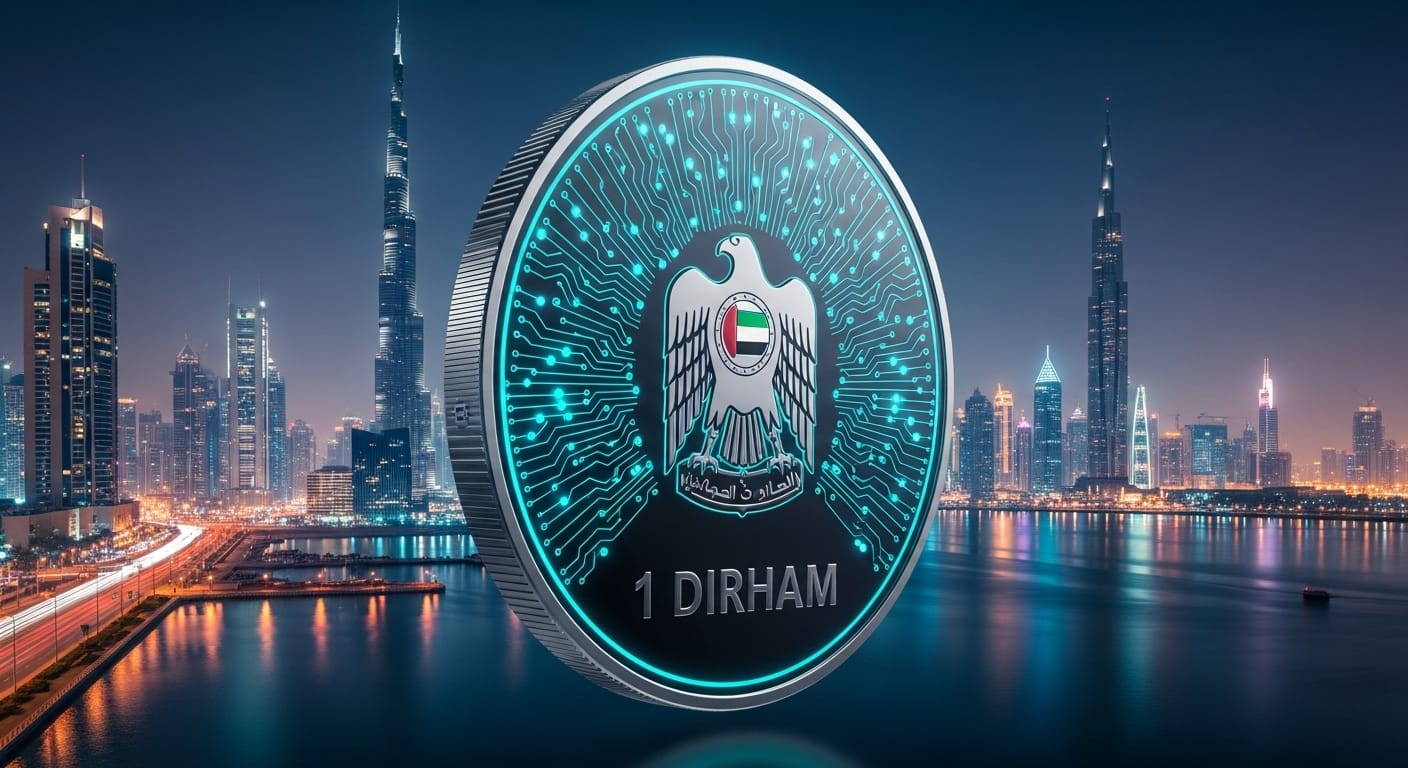

The United Arab Emirates is rapidly advancing towards a new era of finance with the imminent launch of its Central Bank Digital Currency (CBDC), the Digital Dirham. This ambitious initiative, a cornerstone of the Central Bank of the UAE’s (CBUAE) Financial Infrastructure Transformation (FIT) Programme, is set to redefine transactions, enhance financial inclusion, and solidify the UAE’s position as a global leader in digital innovation. This blog post explores the latest news and updates surrounding this transformative digital currency.
Understanding the Digital Dirham: What It Is and Who’s Behind It
At its core, the Digital Dirham is a digital form of the UAE’s official fiat currency. Unlike cryptocurrencies such as Bitcoin, which are decentralized, a CBDC is issued and backed by the central bank—in this case, the CBUAE. This means it holds the same value as physical cash and is a direct liability of the central bank, ensuring ultimate stability and trust.
The initiative is spearheaded by the CBUAE as a key pillar of its comprehensive FIT Programme. This nine-part program aims to modernize the country’s financial infrastructure, promoting digital transformation, and enabling a cashless society. The Digital Dirham is not just a technological upgrade; it’s a strategic move to future-proof the UAE’s economy.
Key Features and Technological Backbone of the Digital Dirham
While full technical specifications are being finalized through pilot programs, the Digital Dirham is expected to leverage cutting-edge technology to ensure security, efficiency, and scalability.
- Distributed Ledger Technology (DLT): It is anticipated that the Digital Dirham will be built on a form of DLT, potentially a private blockchain. This provides a secure, transparent, and tamper-proof ledger for all transactions.
- Two-Tier System: The CBUAE will likely adopt a two-tier model. The central bank will issue the Digital Dirham, while licensed commercial banks and payment providers will be responsible for distributing it to consumers and businesses.
- Programmability: The digital nature of the currency opens the door for “programmable money,” where transactions can be automated through smart contracts. This could revolutionize processes like automated payroll, instant trade settlements, and more complex financial agreements.
- Interoperability: A key goal is to ensure the Digital Dirham can seamlessly interact with existing payment systems as well as future international CBDC platforms.

Strategic Objectives: Driving Financial Inclusion, Efficiency, and Stability
The CBUAE has outlined several strategic goals for the launch of the Digital Dirham, each aimed at strengthening the national economy.
Enhancing Financial Inclusion
By providing a secure and accessible digital payment method, the Digital Dirham aims to serve underbanked and unbanked populations who may have access to a smartphone but not a traditional bank account. This can bring more people into the formal economy, fostering economic growth and resilience.
Boosting Payment Efficiency
The Digital Dirham promises to make both domestic and cross-border payments faster, cheaper, and more reliable. By reducing the number of intermediaries in international transfers, it can significantly lower transaction costs and settlement times, benefiting both individuals and corporations engaged in global trade.
Ensuring Monetary Stability
In an age of private digital currencies and stablecoins, a state-backed CBDC provides a secure and regulated alternative. It strengthens the CBUAE’s monetary policy control and ensures the long-term stability and integrity of the national payment system.
Milestones and Pilot Programs: From Project Aber to mBridge
The UAE’s journey toward a CBDC is not a recent development. It is built upon years of research and successful international collaborations.
- Project Aber (2019): A groundbreaking joint initiative between the CBUAE and the Saudi Central Bank (SAMA) to explore a dual-issued CBDC for cross-border payments. The project successfully proved the viability of DLT for interbank settlements between two countries.
- Project mBridge: Building on the success of Aber, the CBUAE joined the “Multiple CBDC Bridge” (mBridge) project alongside the central banks of China, Hong Kong, and Thailand, and the Bank for International Settlements (BIS). This project focuses on creating a common platform for multi-currency cross-border payments, representing a major step toward a more integrated global financial system.
The Road Ahead: Phased Rollout and Expected Launch Timeline
The CBUAE is taking a cautious and phased approach to the implementation of the Digital Dirham. The initial phase involves a soft launch focused on interbank transactions and settling high-value payments. Subsequent phases will gradually expand its use to retail payments for the general public.
While a definitive public launch date has not been announced, the project is a top priority under the FIT Programme, which runs until 2026. Progress is swift, with pilot programs and partnerships with key technology and financial players already underway. The first phase is expected to be completed within the next 12-15 months, paving the way for broader adoption.
Implications for UAE Businesses and Consumers: A New Era of Payments
The arrival of the Digital Dirham will have a profound impact across the economy.
For Businesses
Companies must prepare for a significant shift in payment infrastructure. This involves updating point-of-sale (POS) systems, accounting software, and online payment gateways to accept the new digital currency. E-commerce platforms, particularly those built on adaptable systems like WooCommerce, will need to integrate new payment options to cater to customer preferences..
For Consumers
For the general public, the Digital Dirham promises a future of seamless and secure transactions. It will enable instant, low-cost payments directly from a digital wallet on a smartphone. This offers a higher level of security compared to some private digital assets and provides a convenient alternative to both physical cash and traditional electronic payment methods, simplifying everything from daily purchases to sending money abroad.
Conclusion
The Digital Dirham represents a significant leap forward for the UAE’s financial landscape, promising a more secure, efficient, and inclusive ecosystem. As the CBUAE moves closer to its phased launch, the Digital Dirham is poised to not only modernize domestic payments but also strengthen the UAE’s international standing in the evolving global digital economy.
Discover more from YuRaFa
Subscribe to get the latest posts sent to your email.









Leave a Reply