Building Your Dropshipping Store: A Step-by-Step Guide
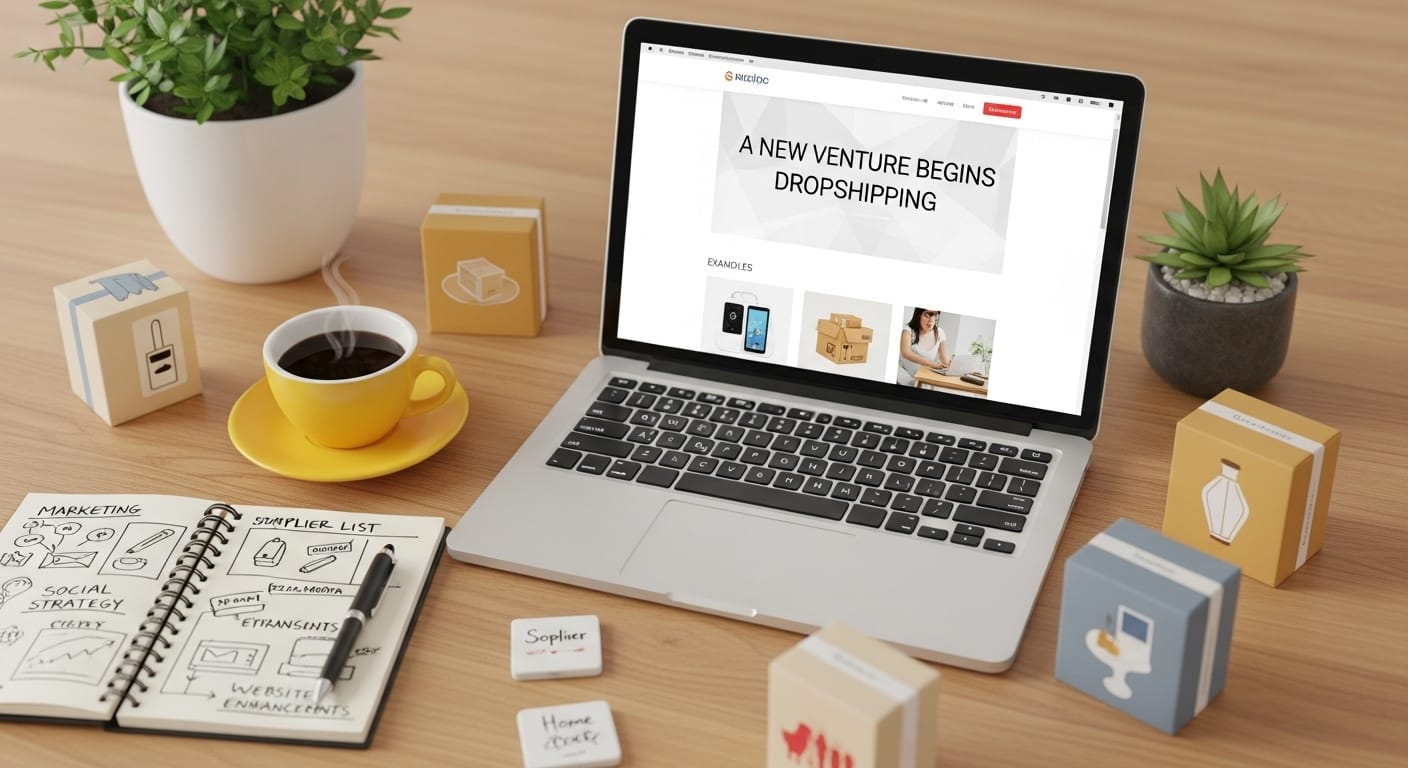
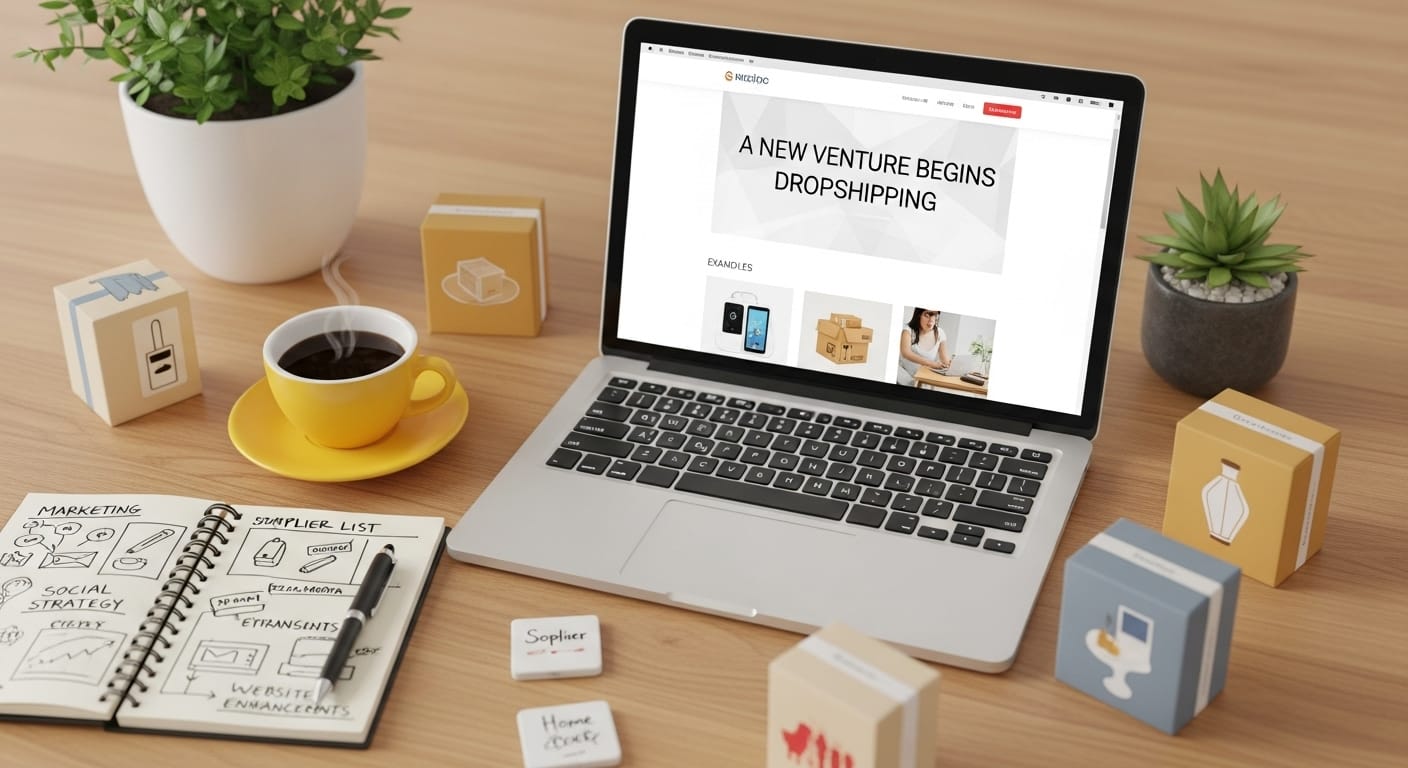
Diving into e-commerce can feel overwhelming, but dropshipping has totally changed the game for aspiring entrepreneurs. It’s a fantastic business model that lets you skip the headache of managing inventory. Think of this guide as your personal roadmap, taking you from the spark of an idea all the way to launching your very own online store. We’ll cover everything you need to know, step-by-step, so you can confidently build and run a successful dropshipping business. Ready to get started?
Niche Research and Product Selection
Before you do anything else, you need to figure out what you’re going to sell. This is arguably the most critical step. You’ll want to find a profitable niche with high-demand products. Start by brainstorming topics you’re passionate about, then use tools like Google Trends to see if people are actually searching for them. Spend some time snooping on your potential competitors to see what they’re doing well (and what you could do better). The goal is to find that sweet spot between a product you love and a product that your target audience is eager to buy. Don’t just follow the hype; find a niche where you can build a real brand and connect with customers.
Choosing Your E-commerce Platform
Your e-commerce platform is the foundation of your online store, so choose wisely! There are several great options out there, each with its own perks. Platforms like Shopify and BigCommerce are popular because they offer all-in-one solutions that are super easy to set up, even for total beginners. However, they come with a monthly subscription fee.
If you’re looking for more control, flexibility, and potentially lower long-term costs, a self-hosted solution might be perfect for you. This usually involves using the world’s most popular website builder, WordPress, combined with the powerful and free e-commerce plugin, WooCommerce. This combo gives you endless customization options and is fantastic for building a scalable store that can grow with your business. Consider your budget and tech-savviness before making a final decision.
Finding Reliable Suppliers
Your supplier is your most important business partner in dropshipping. They handle product quality and shipping, so finding a good one is non-negotiable. Platforms like AliExpress, SaleHoo, and Doba are great places to start your search, but you need to vet them carefully. Here are a few things to look for:
- Communication: Are they responsive and easy to talk to?
- Shipping Times: Can they get products to your customers in a reasonable timeframe?
- Product Quality: Check reviews and, if possible, order a sample to test the product yourself.
- Positive Reviews: What are other dropshippers saying about them?
Building a strong relationship with your supplier will pay off big time. Good communication can help you resolve issues quickly and keep your customers happy.

Setting Up Your Online Store
Now for the fun part: bringing your store to life! This is where you’ll build your digital storefront. Start by picking a clean, professional theme that matches your brand’s vibe. From there, it’s all about customization. You’ll need to add your products with high-quality photos and compelling descriptions. Don’t forget to create essential pages like an “About Us” page to tell your story, a “Contact” page, and an FAQ to answer common questions. Finally, you’ll configure your payment gateways (like Stripe or PayPal) so you can actually get paid. Make sure your site is easy to navigate and looks great on mobile phones, as that’s where most of your customers will be shopping from.
Marketing Your Dropshipping Store
You’ve built a beautiful store, but now you need to get people to visit it. Marketing is how you drive traffic and make sales. There are tons of ways to get the word out, so you can pick the channels that best fit your audience. Social media advertising on platforms like Facebook and Instagram is a popular way to reach new customers quickly. Search Engine Optimization (SEO) is a long-term strategy to get free traffic from Google. Another powerful tool is email marketing; you can use a service like GetResponse to build an email list and send promotions directly to your customers’ inboxes. Don’t be afraid to experiment with different strategies, like influencer collaborations, to see what works best for your brand.
Order Fulfillment and Customer Service
Even though you’re not shipping products yourself, you’re still responsible for the customer experience. When an order comes in, you’ll need to process it with your supplier. Most dropshipping apps automate this, but it’s good to understand the flow. You’ll also be the one handling all customer communication. Be prepared to answer questions about shipping times, track packages, and manage any returns or refunds. Providing prompt, friendly, and helpful customer service is the secret to earning repeat business and glowing reviews. A happy customer is your best marketing tool!

Scaling and Optimization
Launching your store is just the beginning. The real magic happens when you start growing your business. Dive into your sales data to see which products are your bestsellers and which marketing campaigns are bringing in the most money. Use this information to optimize everything. You could expand your product catalog with similar items, double down on your most effective ads, or use automation tools to handle repetitive tasks. Continuous improvement is the key to turning your small store into a thriving, long-term business. Always be testing, learning, and refining your approach.
Building a dropshipping store is a real journey. It takes dedication and a willingness to learn, but the freedom and rewards can be incredible. By following these steps, you’ve laid a strong foundation to build a successful online business from the ground up. The e-commerce world is always changing, so stay curious, adapt to new challenges, and view every hurdle as a chance to grow. Your entrepreneurial adventure is officially underway!








Leave a Reply